


There’s nothing better than waking up from a restful night’s sleep. You probably already know that a bedtime routine, dark room and comfortable temperature can help you fall and stay asleep, but those aren’t the only elements that make a difference. Diet also plays a very instrumental role.
The Importance of Deep Sleep
We talk a lot about “a good night's sleep,” but it’s important to actually define what deep sleep means and why it’s so vital to our health. There are four stages of sleep, each categorized by the brain activity occurring. Throughout the night, you will cycle through the different sleep stages, including stage 1 (lightest sleep) and stage 2 (deeper light sleep), but research has shown that getting enough sleep in stage 3 (deep sleep) and 4 (REM) are crucial to our body’s wellbeing. Most common during the first half of the night, your muscles, pulse and breathing will slow in the deep sleep stage while your body restores.
During deep sleep, our bodies are actually building and repairing muscles, bone and other tissue. It is also essential for “brain plasticity,” or the brain’s ability to adapt to input. If we sleep too little, we become unable to process what we’ve learned during the day and we have more trouble remembering it in the future.
Adequate sleep also protects the immune system, so when that becomes compromised, there’s an increased likelihood of illness and infection. And chronic sleep deficiency can impact your risk of various illnesses, such as obesity, diabetes, cardiovascular disease, depression and dementia. According to the National Sleep Foundation and American Academy of Sleep Medicine (AASM), adults should sleep seven or more hours a night to maintain optimal health.
Diet + Sleep Quality
Both appetite and metabolism are important factors in your circadian rhythm, which is your body’s natural daily cycle for sleep/wake and hunger/satiation. Synchronized by external cues, both sunlight and food intake are key contributors. The Nation’s Sleep Foundation’s 2022 Sleep in America® Poll shows that having consistent meal times is linked to achieving healthier sleep patterns, while eating late at night can send conflicting signals to our biological clock because our digestive system becomes active when it should be winding down. Research recommends your last meal of the day should be two to four hours before bedtime. Anything closer may potentially disrupt the natural progression toward sleep.
But beyond when you are eating, there are some dietary choices that may also impact your sleep health throughout the day.
1. Mediterranean and Anti-Inflammatory Diet
Studies show that those who follow anti-inflammatory diets, like the Mediterranean diet—a diet rich in plant foods, olive oil and seafood and low in red meat, processed foods, and added sugar–experience better sleep quality and fewer insomnia symptoms. And many of them are typically high in magnesium too (more on that below).

2. Fiber Intake
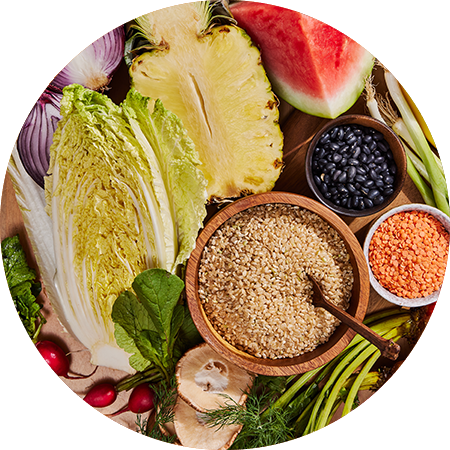
Feeding your gut microbiome with nutrient/vitamin-rich plants help produce trillions of bacteria in our digestive system which produce neurotransmitters (such as serotonin and melatonin) and other compounds that influence sleep. A diet rich in fiber from fruits, vegetables, and whole grains promotes a healthy gut microbiome, which in turn supports better sleep quality.
3. Tryptophan and Magnesium Intake
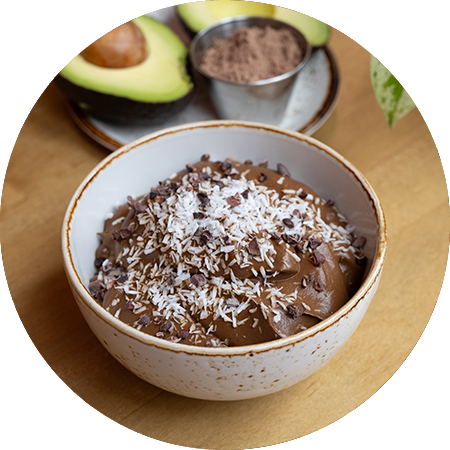
Tryptophan is an essential amino acid that helps your production of serotonin and melatonin—which play essential roles in regulating sleep. Magnesium is a mineral that is used in many bodily functions. As it relates to sleep, magnesium helps relax your nervous system, muscles and helps in the production of melatonin. All of these substances play a crucial role in your sleep-wake cycle and both tryptophan and magnesium are naturally found in tons of foods! Eating foods that contain sleep-supporting nutrients like tryptophan and magnesium may help you fall asleep faster and stabilize your blood sugar, causing less disruptions in your sleep. Foods like turkey, tuna, soybeans, walnuts and quinoa are high in tryptophan, while you can find magnesium in leafy greens like spinach, beans, nuts, whole grains, bananas and even dark chocolate.
4. Meal Timing
If you are digesting a heavy meal before bed or while sleeping, it may cause discomfort that could keep you awake. Sugary and processed foods before bedtime can also lead to a spike in blood sugar levels, followed by a crash, which may lead to feeling groggy or sluggish in the morning. To avoid this, plan to eat a higher proportion of your daily calories in the earlier parts of the day when your metabolism is most active.

Our Tips to Unlock your Best Sleep Ever
1. Start the day with protein-rich breakfast that includes tryptophan sources to help establish healthy circadian rhythms and provide the building blocks for evening melatonin production.
Try our Breakfast Hash (20g protein), PB&J Acai Bowl (19g protein) or Blueberry Superfood Waffles (9g protein) for a tryptophan boost from ingredients like eggs, quinoa, nuts and hemp seeds

2. Maintain steady energy levels throughout the day with balanced meals that include complex carbohydrates, lean proteins, healthy fats and minimal sugar.
Our Adventurer Bowl, Farmhouse Cobb and Spicy Peanut Noodles are all great options for meals with a balance of protein, carbs and healthy fats

3. Pack on the Plants! Eating a variety of plants like whole grains, fruits, vegetables and legumes helps promote and produce healthy gut bacteria. Boosting your gut microbiome will help aid the production of neurotransmitters, like serotonin, that help regulate your sleep.
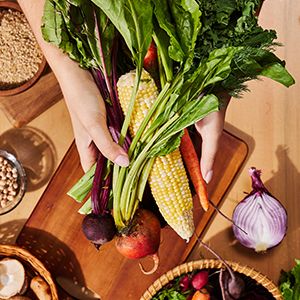
4. Incorporate foods with sleep-supporting nutrients like tryptophan and magnesium throughout your day like eggs, almonds, walnuts, pistachios, flax seeds, spinach, kale, bananas and avocado. These ingredients will help you fall asleep faster and stabilize your blood sugar, causing less disruptions in your sleep.
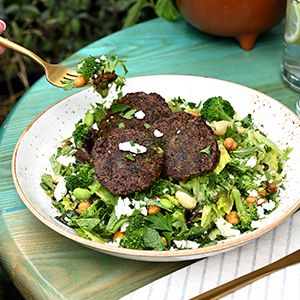
Our Mighty Greens Salad and Super Greens Smoothie, which contain ingredients like hearty greens full of Vitamin B, nuts, seeds and fiber-packed bananas and avocado, are great places to start
5. Experts recommend eating or drinking at least 2 to 4 hours before bed—especially when drinking alcohol, caffeine, eating fatty or fried foods, spicy food or acidic food. Alcohol that is still in the bloodstream when you go to sleep can metabolize, which could cause interruptions in your sleep cycle (ie: less REM sleep) and disrupt your circadian rhythm. Fatty, spicy and acidic foods may also cause acid reflux, which can keep you up at night due to discomfort and pain. All of which to say, just consume mindfully!

Eating well to sleep even better? Count us in. Nighty night!
 Previous